
Schedule & Directions
Contact UsSt. John is located in the Diocese of Pensacola-Tallahassee
The church building is at the corner of W 11th Street and Fortune Avenue in the area of Panama City known as St. Andrews. The Church office is located at 1008 Fortune Avenue (opposite the church building).
Weekend Masses
Saturday Vigil | 4:30 PM
Sunday Masses | 8:15 AM & 10:45 AM
Daily Mass
Mon, Wed, Fri | 8:15 AM (Except First Friday)
Tue, Thu | 5:30 PM (Latin Novus Ordo: 2nd & 4th Thursdays)
First Friday | 5:30pm (Following Benediction)
Confession
Tue, Thu | 4:30 PM–5:00 PM
Sat | 3:00 PM–4:00 PM
First Friday | 9:00 AM–9:30 AM
Eucharistic Adoration
First Friday | 9:00 AM–5:00 PM
First Friday Devotions
First Friday | 5pm (Devotional prayers to the Sacred Heart of Jesus)
Navigating Kids at Mass
Thoughts and encouragement for families.
Children are a gift to our parish, and we are grateful for the families who bring them to Mass each week. We know that bringing young children to Mass is not always easy. Little ones get restless, babies cry, and sometimes the best-laid plans for a peaceful Sunday morning go out the window. We are grateful that you continue to make Sunday Mass a priority for your family, even when things do not go quite as planned.
Children belong at Mass. They may not yet understand everything happening around them, but they are learning to pray, encountering the beauty of the liturgy, and growing accustomed to the rhythms of our Catholic faith. They learn not only from what we teach them, but from seeing us worship. A little noise now and then is a small price to pay for the gift of raising our children in the faith.
Our Family Room is available to help families participate in Mass when a little one needs a break from the pew. If your child becomes particularly restless or is having an extended difficult moment, we encourage you to bring them to the Family Room until they have settled. There is no need to feel embarrassed or apologize for having young children.
Once your child has settled, we encourage you to return to your pew. While the Family Room can be a helpful resource, you need not feel that you should remain there for the entirety of Mass. Think of it as a place to take a brief break before returning to the pew, even if that means making a few trips back and forth.
While in the Family Room, we also invite parents to remain prayerfully attentive to the Mass to the best of their ability. We understand that children need room to move, may make some noise, and will require your attention. That is perfectly understandable. At the same time, we encourage adults to model prayerful attentiveness to the liturgy and, as far as possible, to avoid conversations with others in the room.
We also ask all parishioners to extend patience and kindness to families with young children. A warm smile, an encouraging word to a tired parent, or a simple compliment about their children can go a long way in reminding families that they are welcome. Most importantly, keep these families in your prayers as they work to raise their children in the faith.
Above all, please know that you and your children are welcome here. We do not expect toddlers to behave like adults, and we do not expect parents to manage every moment perfectly. Bringing children to Mass is an investment in their formation, and we are thankful for the sacrifices you make to do so. Our parish is a family of families, and we want our children to grow up knowing that the Church is their home.
Nick Labrie, Director of Mission Operations
Upcoming Events
See All EventsCatholic in Recovery

Oct 276:15 PM - 7:30 PM
Intro to Catholicism (OCIA)
Oct 276:15 PM - 7:30 PM
Women's Bible Study

Oct 289:30 AM - 10:30 AM
Men's Evening Bible Study

Oct 286:30 PM - 7:30 PM
Fellowship Breakfast

Nov 19:30 AM - 10:30 AM
Men's Coffee Bible Study
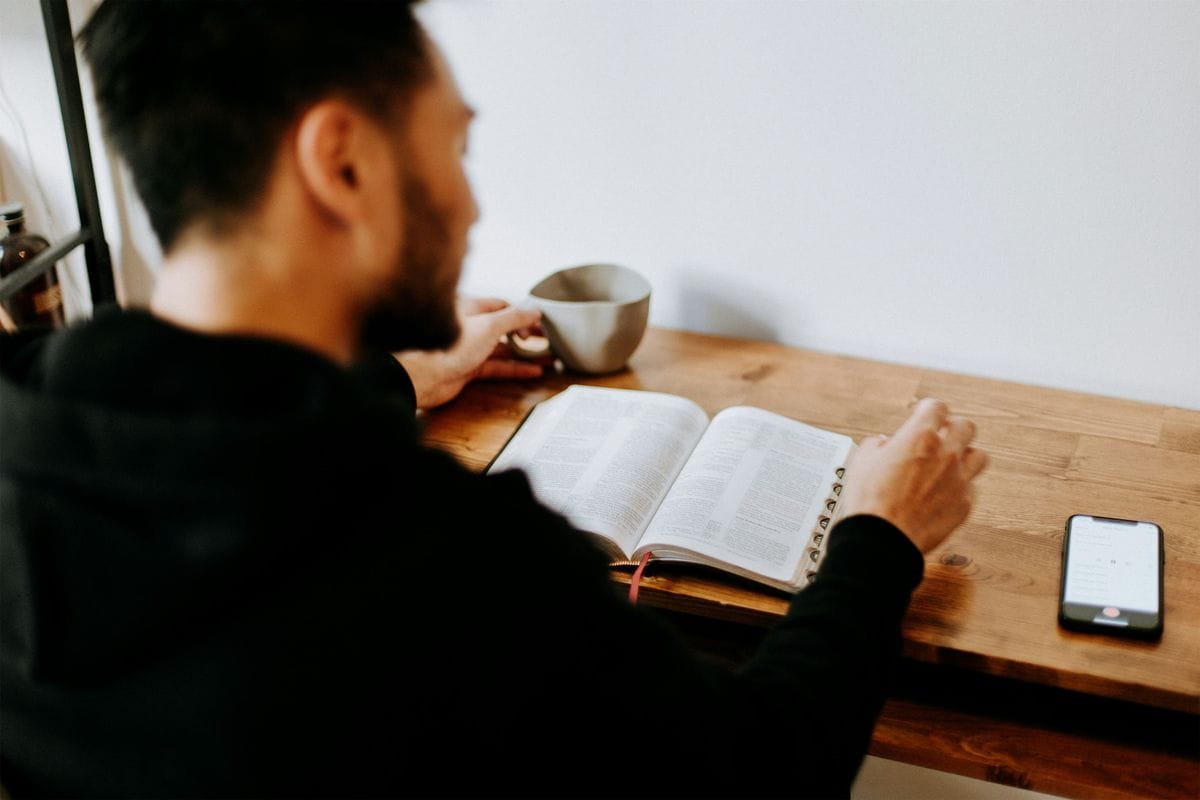
Nov 27:00 AM - 8:00 AM
Catholic in Recovery
Nov 36:15 PM - 7:30 PM
Intro to Catholicism (OCIA)
Nov 36:15 PM - 7:30 PM
Women's Bible Study
Nov 49:30 AM - 10:30 AM
Pathways | Root for Families

Nov 45:30 PM - 7:30 PM
Real Presence
Catholics profess that Christ is truly, really, and substantially present in the Eucharist—Body, Blood, Soul, and Divinity.
Discover St. John the Evangelist
Dive into our teachings, events, and community. Your journey of faith begins here.
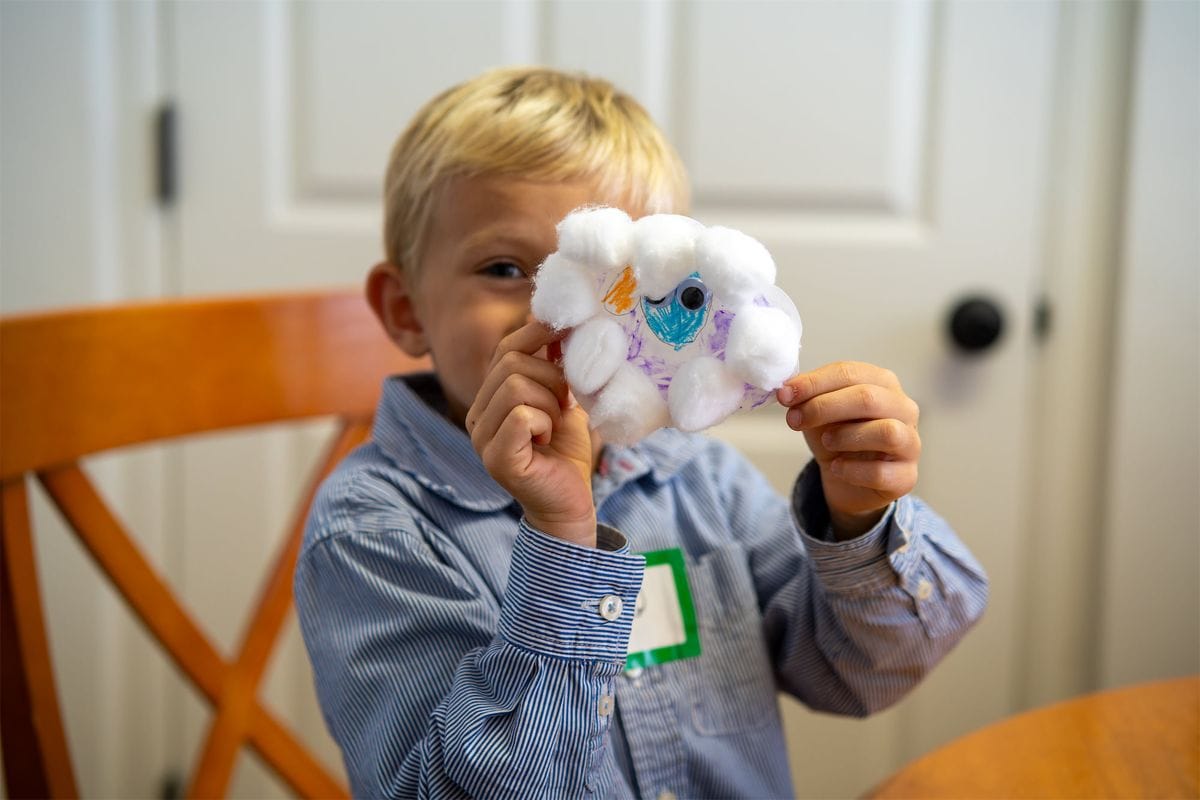
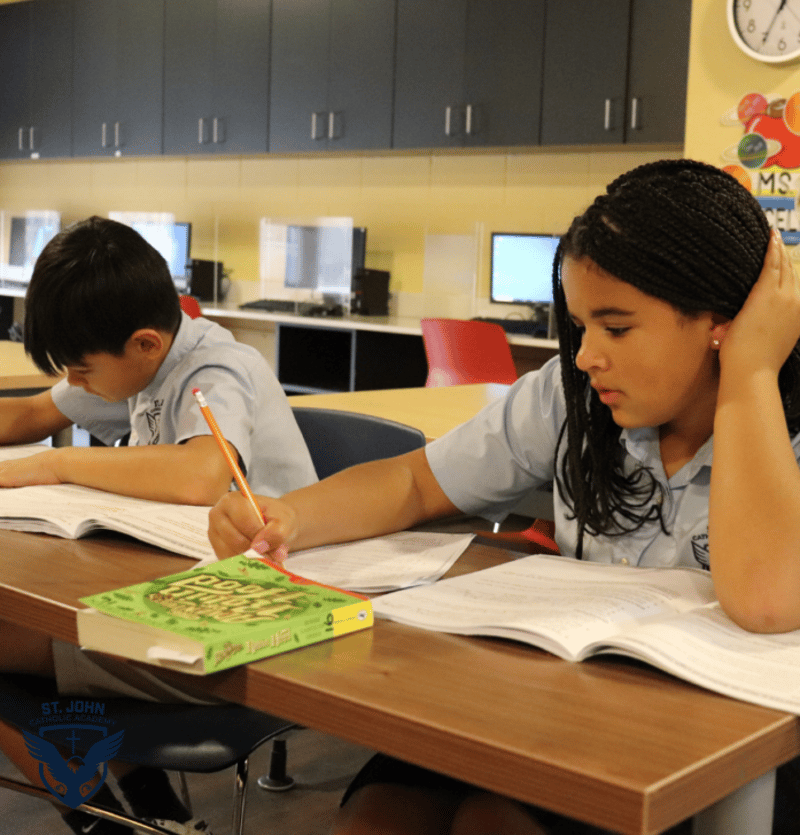
Parish School
A Catholic classical academy where students grow in faith, reason, character, and academic excellence within the life of the parish.
Learn More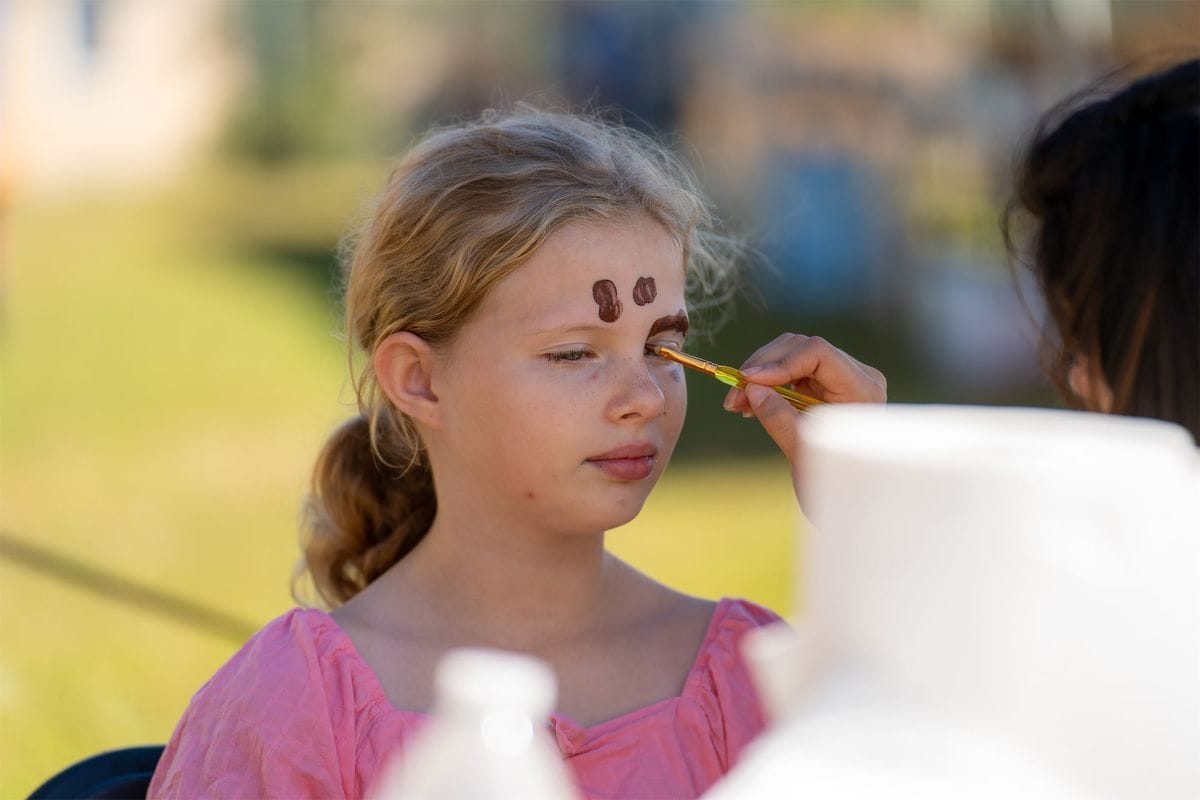
Events
From worship services to community outreach, stay updated with our scheduled activities.
Learn More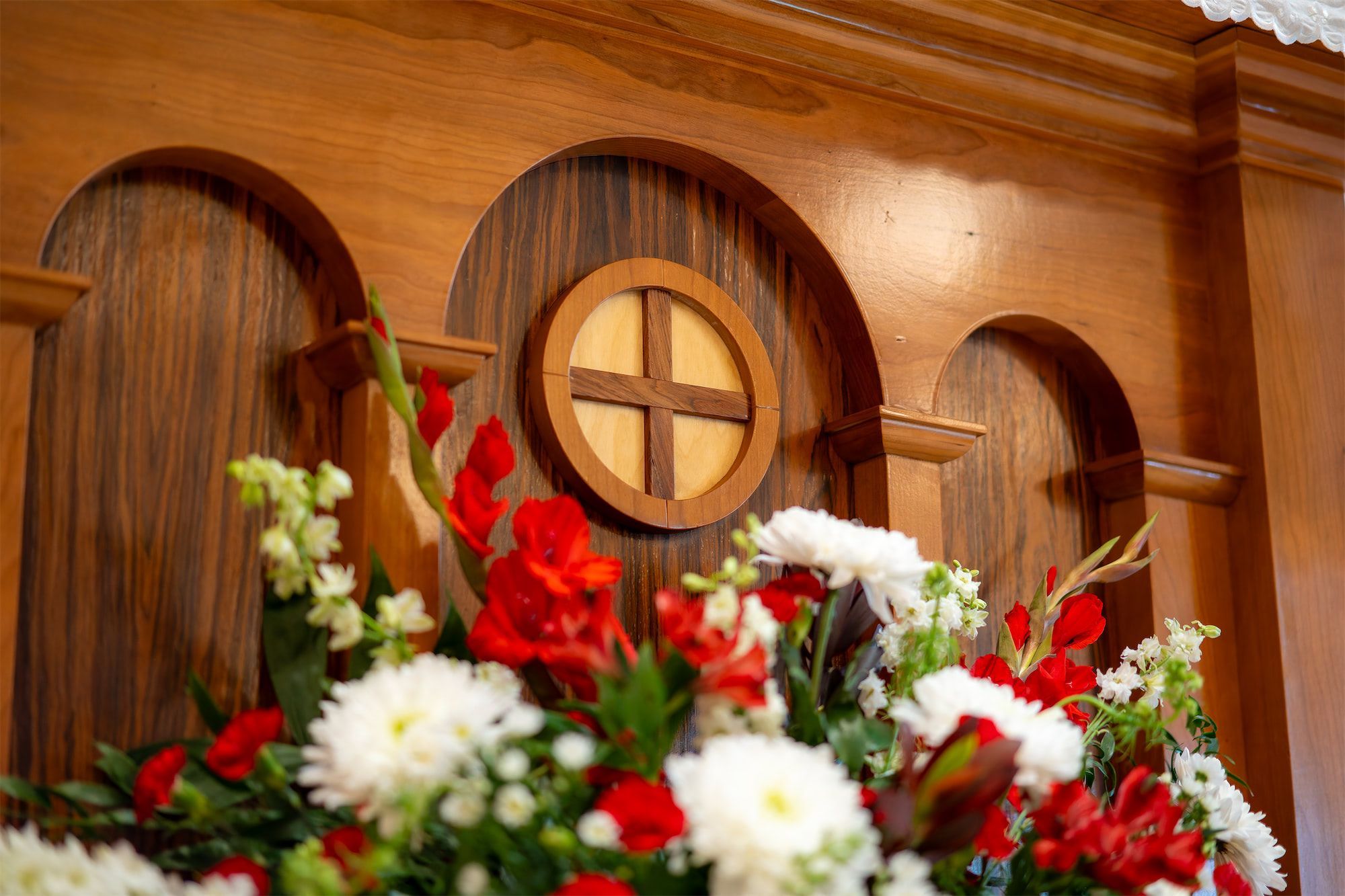
Flocknote
Receive the Latest News from St. John the Evangelist
Get the most current parish updates to your mobile device and email by texting "STJ" to 84576. Click the button to sign up online today!
Up Next
Explore our community at St. John the Evangelist.