
The Resurrection Appearances
After Easter Sunday, Jesus kept showing up, in a garden, on a road, in a locked room, by the sea. Each encounter reveals something we need to know.
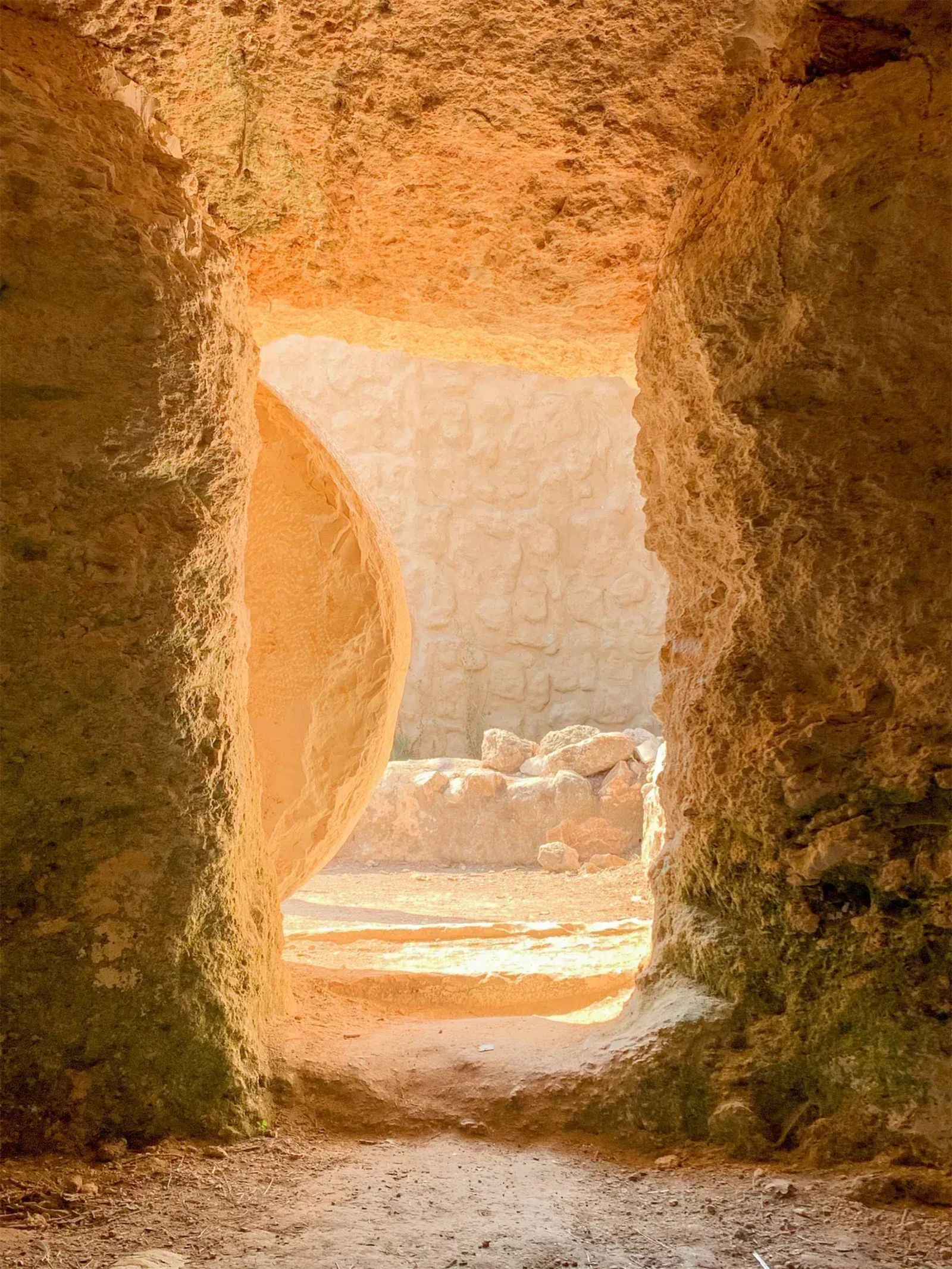
The tomb was empty. But that was only the beginning.
For forty days after his Resurrection, Jesus appeared to his disciples. Not once, but repeatedly. In a garden. On a road. Behind locked doors. By the shore of a lake. These encounters are not footnotes to Easter. They're the proof of it, and more than proof, they're revelation. Each appearance shows us something about who the risen Christ is and what he offers.
Mary in the Garden
The first person to see the risen Jesus was Mary Magdalene.
She had come to the tomb weeping. When she found it empty, she assumed the body had been taken. A man appeared nearby, and she mistook him for the gardener. "Sir, if you have carried him away, tell me where you have laid him."
Then he spoke her name. "Mary."
That was all it took. She recognized him instantly. One word, her name in his voice, and everything changed.
This is the first thing we learn about the risen Christ: he knows us by name. He comes to us in our grief, even when we don't recognize him. And when he calls, something in us knows.
The Road to Emmaus
On the same day, two disciples were walking from Jerusalem to a village called Emmaus. A stranger joined them on the road. They told him about Jesus, how he had been crucified, how the tomb was now empty, how they had hoped he was the Messiah.
The stranger walked with them for miles. He opened the Scriptures, explaining how the Christ had to suffer and enter into his glory. Still, they didn't recognize him.
It was only at table, when he took bread, blessed it, and broke it, that their eyes were opened. And then he vanished.
"Were not our hearts burning within us while he talked with us on the road?"
The Emmaus story is about the Eucharist. Jesus is known in the breaking of the bread. This is why the Church gathers every Sunday, not just to remember him, but to recognize him, present in the sacrament.
The Locked Room
That same evening, the disciples huddled in a room with the doors locked. They were afraid. And suddenly, Jesus stood among them.
"Peace be with you."
He showed them his hands and his side. The wounds were still there, not erased, but glorified. The risen body bears the marks of the Cross. Suffering is not forgotten in the Resurrection; it is transformed.
Then he breathed on them and said, "Receive the Holy Spirit. Whose sins you forgive are forgiven them."
In one moment: peace, presence, proof, and mission. The Church is born in a locked room, from frightened men who have just seen the impossible.
Thomas
Thomas wasn't there that night. When the others told him what had happened, he refused to believe. "Unless I see the mark of the nails and put my finger into his side, I will not believe."
A week later, Jesus came again. This time Thomas was present.
"Put your finger here. See my hands. Do not be unbelieving, but believe."
Thomas fell to his knees. "My Lord and my God."
Jesus didn't rebuke him harshly. But he did say something important: "Blessed are those who have not seen and have believed."
That's us. We haven't seen. We're asked to believe anyway. And Jesus calls that faith blessed.
Breakfast by the Sea
One of the strangest and most tender appearances comes in John 21. Peter and some of the others have gone back to fishing. They've worked all night and caught nothing.
At dawn, a figure on the shore calls out: "Cast the net on the right side of the boat."
They do. The net fills with fish, 153 of them, John tells us, as if the number mattered. And suddenly John realizes: "It is the Lord."
Peter throws himself into the water and swims to shore. Jesus has a charcoal fire burning. He's cooking breakfast.
After they eat, Jesus turns to Peter, the one who denied him three times, and asks three times: "Do you love me?"
Each time Peter answers, Jesus gives him the same command: "Feed my sheep."
This is restoration. Peter's failure is not the last word. The risen Christ reinstates him, gives him work to do. And he does it over breakfast, on the beach, in the most ordinary setting imaginable.
Why It Matters
The appearances are not just evidence that Jesus rose. They're invitations into relationship.
He calls us by name, like Mary. He walks with us on the road, even when we don't recognize him. He comes to us in our fear and says, "Peace." He doesn't abandon us when we doubt. He feeds us. He forgives us. He gives us work to do.
The risen Christ is not distant. He shows up. And he keeps showing up, in the Scriptures, in the sacraments, in the gathered Church, in the quiet of prayer.
The tomb is empty. But he is not gone.